
The Perfect Storm: Global and Domestic Shocks
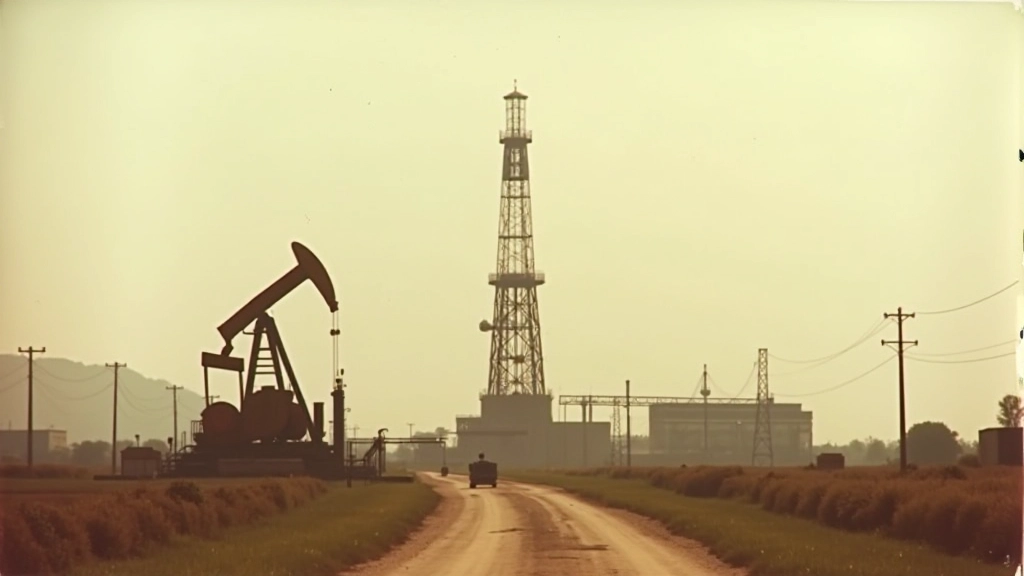
India didn’t wake up in 1970 with a runaway inflation problem. It crept in gradually, then accelerated rapidly. By 1973, global oil prices quadrupled almost overnight. This wasn’t something the Reserve Bank or government could control — it was an international shock hitting every developing nation. But India was particularly vulnerable.
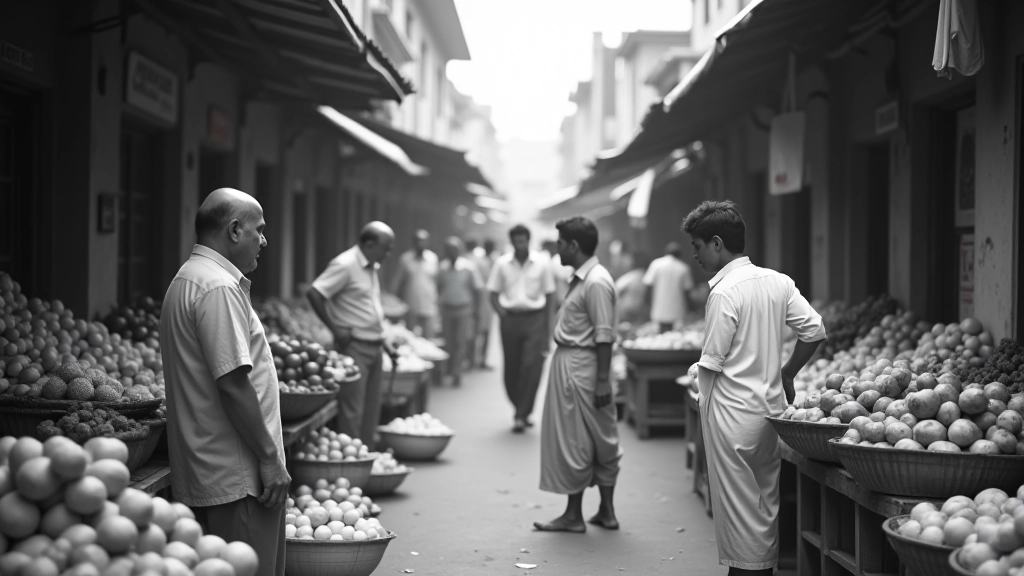
The agricultural sector faced its own crisis. The monsoon failure in 1972 devastated crops. Food production dropped sharply. When people can’t get enough food at any price, inflation becomes about survival. Prices for wheat, rice, and pulses climbed faster than anything else. And when food costs rise, it triggers wage demands across the economy — workers need more just to eat the same amount.
What’s critical to understand: these weren’t mistakes. These were real shocks. The question was how the government responded to them.