Food Inflation Cycles and Consumer Price Impacts
Understanding how food prices spike, how long they stay elevated, and what it means for your household budget
What Drives Food Price Cycles?
Food inflation doesn’t happen randomly. It follows patterns shaped by harvests, global supply chains, monsoon seasons, and policy decisions. In India, we’ve seen this play out repeatedly — from the spike in 2008 when rice prices doubled, to the volatility following demonetization in 2016. Understanding these cycles helps you make smarter purchasing decisions and see through the noise of economic headlines.
The real story isn’t just about numbers. It’s about what happens at your kitchen table — how your monthly grocery bill changes, which foods become luxury items, and how families adjust their diets when staples get too expensive. We’ll explore the mechanics of these cycles and what history teaches us about when prices stabilize again.

The Three-Year Pattern
Food inflation in India doesn’t follow a random walk. There’s a recognizable rhythm — spike, plateau, decline — that repeats roughly every 3 to 5 years. A bad monsoon triggers the spike. Supply tightens. Prices jump 15-30% within months. Then comes the plateau phase, where prices stay stubbornly high for 12-18 months even as new harvests arrive. Finally, as stocks rebuild and global prices ease, inflation retreats.
The 2008 food crisis is the clearest example. Rice and wheat prices doubled in less than 18 months. Vegetable prices swung wildly — onions went from affordable to scarce. Families cut back on protein, bought cheaper grains, skipped non-essentials. The worst didn’t ease until late 2009, almost two years later. What’s crucial: this wasn’t unique. Similar patterns appeared in 2010-11, 2015-16, and again in 2020-21 during the pandemic disruptions.

Key Triggers That Start the Cycle
Not all inflation is created equal. These specific factors consistently push food prices higher across India
Monsoon Failures
Below-average rainfall cuts yields by 20-40%. When farmers harvest less, grain storage drops. Prices rise immediately because demand doesn’t change — people still need to eat. A weak monsoon in June affects prices through the entire following year.
Global Commodity Shocks
When global wheat or oil prices spike, India feels it within weeks. Higher global prices make imports more expensive. Even if India produces enough domestically, exporters hold back grain hoping for higher prices. Supply tightens locally, pushing inflation upward.
Supply Chain Disruptions
Lockdowns, transport restrictions, or port delays slow food movement from farms to markets. Perishables spoil. Prices jump at retail even though farmers aren’t getting more. We saw this clearly in 2020-21 when movement restrictions caused onion prices to spike despite decent harvests.
Policy Interventions
Export bans, price controls, or sudden currency changes distort markets. When India banned rice exports in 2008, domestic prices jumped. Demonetization in 2016 disrupted farm-to-market transactions. These policy shocks often trigger price spirals that take months to unwind.

How Households Feel the Squeeze
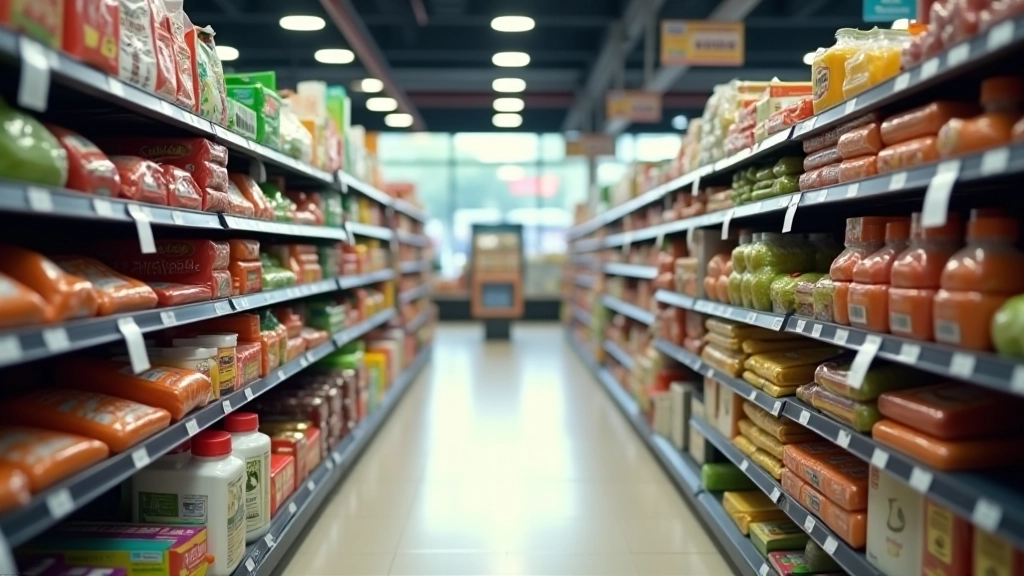
When food inflation hits, middle and lower-income households feel it first. Food takes up 40-60% of their monthly spending — that’s not a choice, it’s necessity. A 20% jump in vegetable or grain prices means real cuts elsewhere. Parents skip non-essentials. Kids eat simpler meals. Healthcare spending gets deferred.
The impact ripples. During the 2008 crisis, school enrollment actually dropped as families pulled kids out to work. In 2010-11, malnutrition rates ticked up in rural areas. These aren’t abstract economic statistics — they’re about children missing school and families going without adequate nutrition. Wealthier households adjust by buying premium products. Poorer households adjust by eating less.
“During the 2008 spike, we switched from buying rice to cheaper millets. My mother started stretching portions with more water in the dal. Nobody talked about it directly, but everyone was doing the same thing.”
— Anjali, reflecting on childhood in rural Karnataka
How Long Does It Actually Last?
Understanding the timeline helps you plan financially and see when relief typically arrives
Shock Phase (1-3 months)
Initial trigger hits — bad monsoon, global shock, policy change. Prices jump 10-15% immediately. Retailers raise prices fast, but this initial spike often overshoots the real scarcity. It’s panic more than shortage.
Plateau Phase (6-18 months)
This is the hard part. Prices stay stubbornly elevated even after supply stabilizes somewhat. Farmers hold grain hoping for higher prices. Retailers don’t want to cut prices too fast. The mentality becomes “prices are high, so we charge high.” This phase lasts longest and hurts households most.
Decline Phase (3-6 months)
Stocks rebuild. Global prices ease. Competition increases. Retailers finally start cutting prices to move inventory. Relief comes gradually, not suddenly. Prices drift down 5-10% per month until they normalize. Complete recovery takes time — sometimes another year before truly normal pricing returns.
Policy Responses and Market Interventions
Governments can’t ignore food inflation. The political pressure is immediate. Over the past two decades, India’s tried various responses — some helpful, some backfiring. Export bans prevent grain from leaving the country, but they also discourage farmers from growing more because they can’t access higher global prices. Price controls cap retail prices, but they often cause shortages because sellers won’t stock products if they can’t make margins. Public distribution expands, which helps vulnerable populations directly but sometimes creates parallel markets where grain gets diverted.
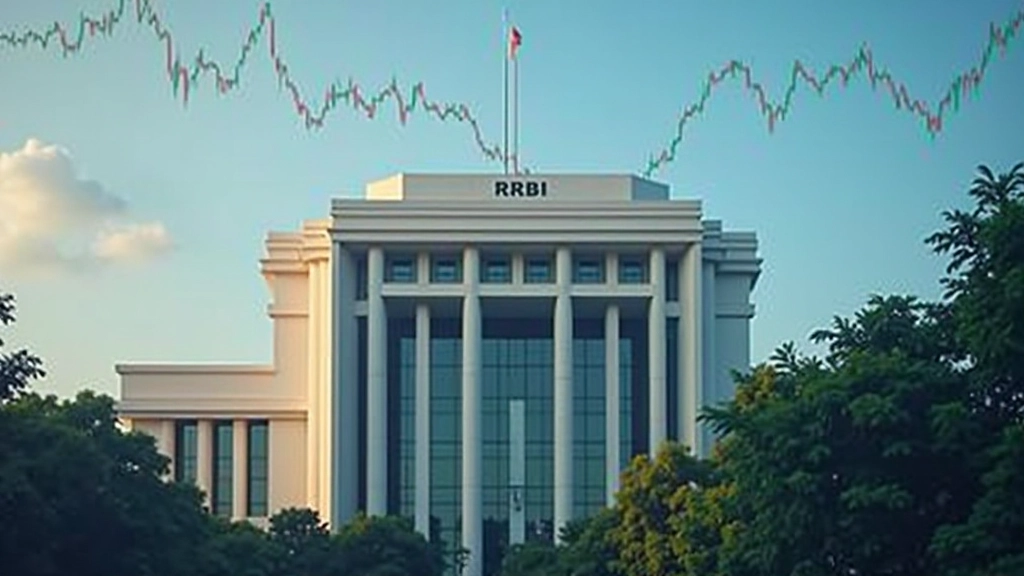
The RBI’s monetary policy response matters too. During inflation spikes, the central bank sometimes raises interest rates to cool demand. This can help with inflation generally, but it doesn’t fix food supply problems — you can’t eat less rice because borrowing is expensive. What actually works: improving harvest forecasting, building grain reserves before crises hit, and fixing logistics so food moves faster from farms to markets. These take time and investment, which is why governments often reach for quick fixes instead.
Historical Lessons for Future Stability
Looking back at India’s inflation patterns, several insights emerge that still shape policy today:
Monsoons Still Matter Most
India’s food inflation correlates most strongly with rainfall patterns. Better irrigation, crop insurance, and weather prediction can reduce vulnerability. But fundamentally, agriculture remains weather-dependent. This isn’t changing anytime soon.
Supply Chains Are Fragile
The 2020-21 experience showed how quickly distribution breaks. Cold chains, transport, and storage matter as much as production. Building redundancy — multiple routes, multiple storage facilities — costs money upfront but prevents crises later.
Communication Reduces Panic
When authorities communicate clearly about supply levels and expected timelines, markets stabilize faster. Speculation amplifies genuine scarcity. Transparency dampens panic buying.
Targeted Help Works Better Than Price Controls
Direct cash transfers or subsidized public distribution reach vulnerable people without disrupting supply chains. Price caps often backfire by reducing incentives to produce and trade.
Planning Through Cycles
Food inflation cycles are real, predictable in broad strokes, and manageable if you understand them. The historical pattern suggests: expect a major spike every 3-5 years, lasting 18-24 months from peak to normalization. During spikes, staples get expensive first — grains, pulses, cooking oil. Vegetables follow quickly. Proteins become luxury items for many households.
Financially, this means: build some buffer in lean times, shift dietary preferences during spikes toward cheaper proteins like pulses and eggs, and don’t panic-buy. Prices do come down. They always have. Staying informed about monsoon forecasts, global commodity trends, and policy announcements helps you anticipate cycles rather than react to them. The households that weather inflation best aren’t those that earn the most — they’re the ones that plan ahead.
Want to explore how demonetization specifically affected these patterns?
Read: Demonetization 2016: Impact on Inflation and Currency MarketsEducational Disclaimer
This article provides historical analysis and educational information about food inflation cycles in India. The patterns discussed are based on historical data and economic trends. Individual circumstances vary widely, and food inflation impacts different households differently based on income, location, and dietary patterns. This content is for informational purposes to help understand economic concepts — not as financial or investment advice. For specific guidance on budgeting during inflation or investment decisions, consult qualified financial advisors or economists familiar with your situation.
Related Articles