





Inflation Archive Logo Inflation Archive Contact Us
Contact Us
Economic Policy

RBI Monetary Policy and Price Stability Framework

Understanding how India’s central bank manages inflation, controls money supply, and maintains economic stability through strategic policy decisions.

February 2026 10 min read Beginner
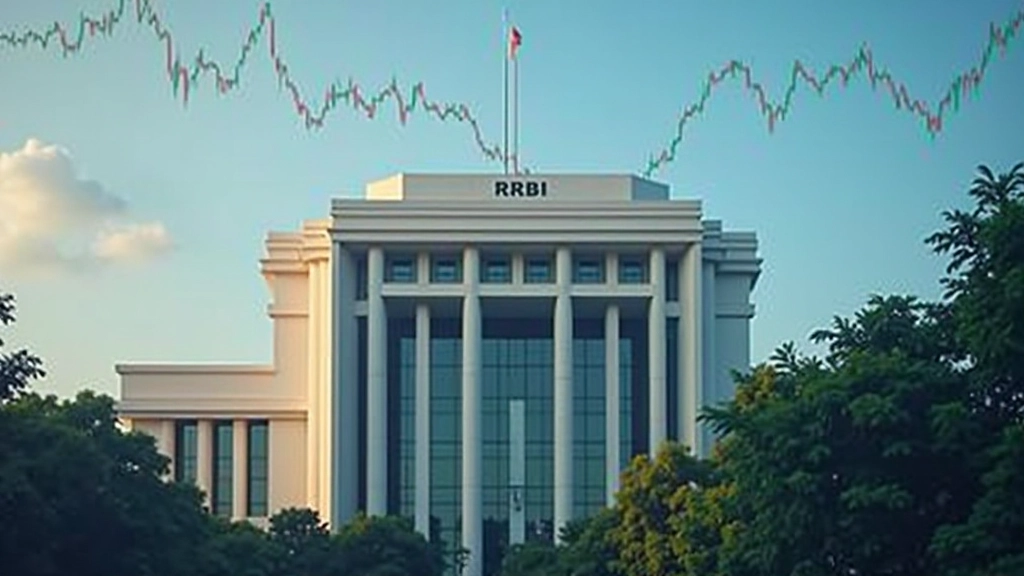
Reserve Bank of India building facade representing central banking and monetary policy framework

What Is the RBI’s Role in Price Stability?

The Reserve Bank of India (RBI) isn’t just a bank—it’s the architect of India’s monetary system. Since 2015, the RBI’s inflation targeting framework has been the backbone of how it manages the economy. Think of it like a tightrope walker. Too much inflation on one side, too little growth on the other. The RBI’s job is finding that balance.

Price stability doesn’t mean prices never change. It means keeping inflation predictable and manageable—usually targeting around 4% with a tolerance band of 2-6%. When inflation creeps above this range, families pay more for groceries and rent. When it drops too low, businesses hesitate to invest. The RBI’s framework aims to keep that sweet spot where the economy can breathe.

Financial charts showing inflation trends and monetary policy indicators over time

The Three Pillars of RBI’s Framework

India’s monetary policy framework rests on three main pillars. First, there’s the inflation target—4% is the midpoint, and the RBI works within a 2-6% band. This isn’t arbitrary. The RBI studied what other central banks do, looked at India’s economic history, and settled on a target that allows growth without eroding purchasing power.

Target: 4% Inflation

The midpoint keeps prices stable enough for planning, but allows real economic growth.

Tool: Policy Repo Rate

The interest rate the RBI charges banks directly influences lending rates across the economy.

Method: Transmission Mechanism

Rate changes flow through banks to consumers and businesses, affecting spending and investment decisions.

Diagram showing RBI monetary policy transmission mechanism from central bank to commercial banks to consumers
Indian financial system showing money flow and banking networks with economic indicators

How the RBI Controls Inflation

The RBI’s got several tools in its toolkit, and they’re more nuanced than just raising or lowering rates. The Monetary Policy Committee (MPC)—a group of six members including the RBI Governor—meets every two months to review and adjust the repo rate. That’s the interest rate banks borrow at overnight. When inflation is rising, the RBI raises this rate. Higher borrowing costs for banks mean higher lending rates for you, which discourages spending and cools demand.

But here’s where it gets interesting. It’s not just about the rate itself. The RBI also manages liquidity—the amount of cash flowing through the banking system. Through open market operations (buying and selling government securities), the RBI can inject or withdraw money. During the COVID-19 pandemic, the RBI injected significant liquidity to keep credit flowing even as rates stayed low. That’s balancing growth against inflation.

Learning from Past Inflation Cycles

India’s inflation story isn’t all smooth sailing. The 1970s brought double-digit inflation during the oil crisis. Food prices spiked. People’s savings lost value. That era taught policymakers the cost of ignoring price pressures early. When demonetization happened in 2016—the sudden withdrawal of 500 and 1000 rupee notes—it created short-term price volatility. The RBI had to carefully manage the monetary shock while maintaining confidence in the currency.

“Price stability is a prerequisite for sustainable economic growth. The RBI’s framework ensures we’re not just chasing growth at the cost of inflation.”

— Economic Policy Framework, RBI

The 2015 framework was India’s response to these lessons. By targeting inflation explicitly and transparently, the RBI removed uncertainty. Businesses could plan better. Savers weren’t punished. The framework has weathered demonetization, GST implementation, pandemic disruptions, and global supply chain shocks. It’s not perfect—inflation still overshot during 2021-22 when global factors collided with domestic food inflation—but it’s proven more resilient than the previous ad-hoc approach.


Historical documents and archives showing RBI monetary policy decisions and inflation data from past decades

The Challenges Ahead

Maintaining price stability sounds straightforward, but it’s anything but. Global supply shocks—a disruption in oil supplies, semiconductor shortages, shipping delays—can push inflation up regardless of what the RBI does. These aren’t monetary problems, so monetary policy alone can’t solve them. That’s why the RBI works closely with the government on fiscal policy and supply-side reforms.

Food Price Volatility

Food makes up about 40% of India’s inflation basket. A bad monsoon or supply disruption can spike prices overnight. The RBI can’t control weather, but it can manage demand-side pressures while the government focuses on supply improvements.

Global Spillovers

Oil prices, global interest rates, and currency movements affect India. When the US Federal Reserve raises rates, capital flows out of India, putting rupee depreciation pressure on import costs. The RBI must balance domestic needs with global realities.

Growth vs. Stability Trade-off

Sometimes fighting inflation means slowing growth temporarily. The RBI must judge how much growth sacrifice is needed to bring inflation back to target—a calculation with real consequences for jobs and incomes.

Key Takeaways: What This Means for You

01

Inflation Target Is Real

The RBI’s 4% target isn’t aspirational—it’s operational. When inflation drifts above 6%, the RBI actively works to bring it down. That affects your EMI, savings returns, and purchasing power.

02

Rate Decisions Ripple Through

When the RBI changes the repo rate, banks don’t instantly adjust your home loan rate. It takes months for changes to fully transmit. Understanding this lag helps you anticipate rate changes in the economy.

03

Transparency Matters

The RBI publishes detailed statements explaining its decisions. Reading these—especially the monetary policy statement released every two months—gives you insight into the economic outlook and likely future policy direction.

The Bottom Line

India’s RBI monetary policy framework represents a deliberate shift toward predictability and transparency. It’s not perfect—no framework can be—but it’s proven resilient through multiple economic shocks. By targeting 4% inflation with a clear methodology, the RBI gives households and businesses something precious: the ability to plan. You can make long-term investment decisions knowing inflation won’t erode your wealth unpredictably.

Understanding this framework helps you see beyond daily headlines. When you hear the RBI is raising rates, you’ll know it’s not punitive—it’s calibrated to keep inflation in check so your money retains value. When inflation undershoots the target, you’ll understand why the RBI might hold steady rather than cutting further. Price stability isn’t exciting news, but it’s the foundation that makes everything else possible.

Economic growth chart showing stable inflation trends and monetary policy effectiveness over time

Disclaimer

This article is provided for educational and informational purposes only. It explains India’s monetary policy framework and historical inflation patterns as of February 2026. The information presented is based on publicly available RBI data and economic research. This is not financial advice, investment guidance, or economic forecasting. Economic conditions, RBI policies, and inflation trends change continuously. For specific investment decisions, consult with a qualified financial advisor. For current RBI policy updates, refer to the official RBI website and monetary policy statements. The examples and scenarios discussed are illustrative and may not reflect current or future conditions.